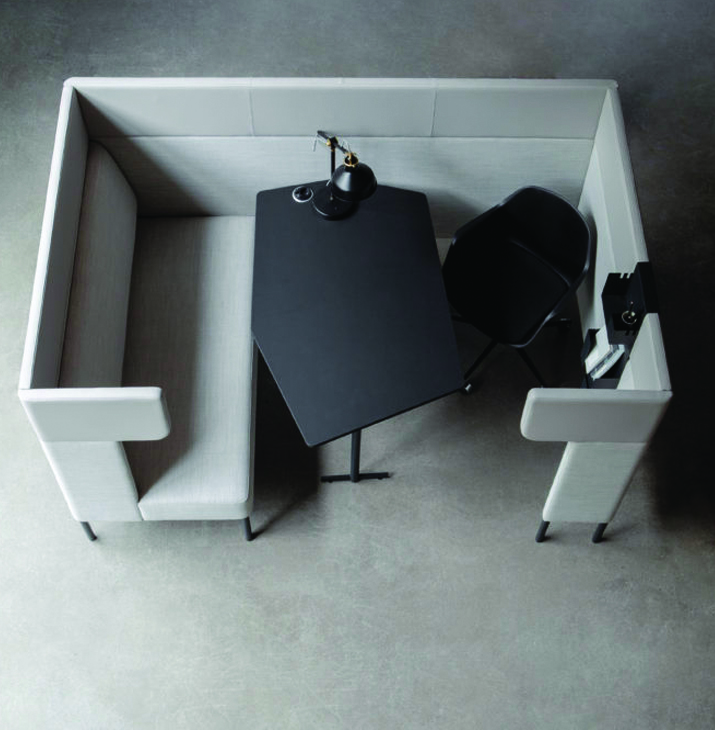
Post-Covid meeting zones
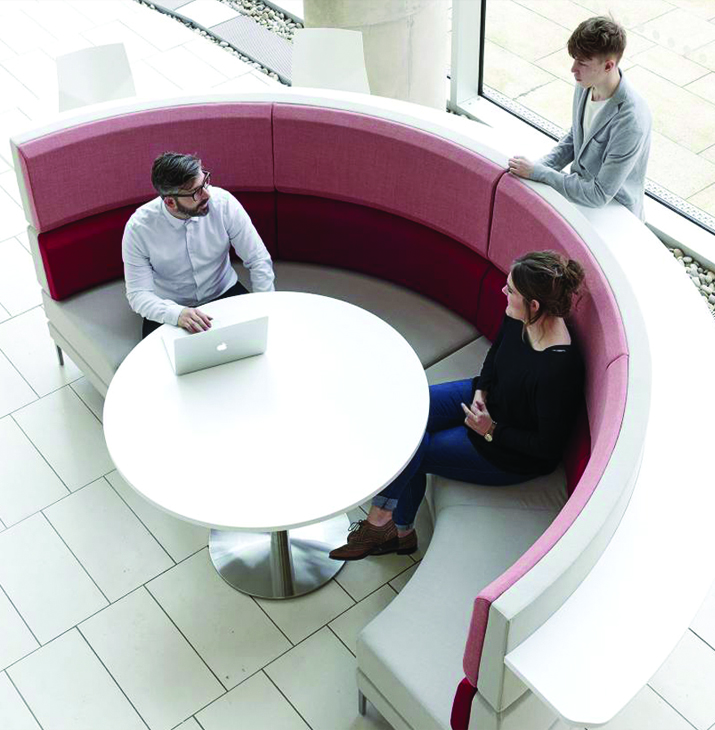
1. Post-Covid meeting zones
As businesses around the world start to recalibrate their workspace methodology in response to the coronavirus pandemic, one design trend that is gaining rapid traction is that of “soft” collaboration areas.
Instead of traditional walled-in meeting spaces or boardrooms, designers and office space architects are looking at ways of passively reducing person to person contact by creating break-out spaces that are more open and better-ventilated than ever before.
Some time soon, we anticipate the traditional boxed-in meeting rooms of yesteryear will be decommissioned entirely, replaced by multiple, smaller collaborative spaces – because at the end of the day, unless the content of a meeting is highly sensitive, who needs big walls and sound-proof glass?
Recent years have already seen workforces embrace the modularity of meeting zones as people discover new forms of collaboration, using new digital tools, workshopping methods, and team configurations. The long rectangular table with the single whiteboard isn’t the one-size-fits-all meeting solution it used to be.
At Kollab, we’re looking forward to seeing smaller meeting spaces geared to more specific forms of collaboration – spaces that feel like a true part of the whole, instead of an annex – and we can certainly see the long-term benefits for employee health and hygiene, too.