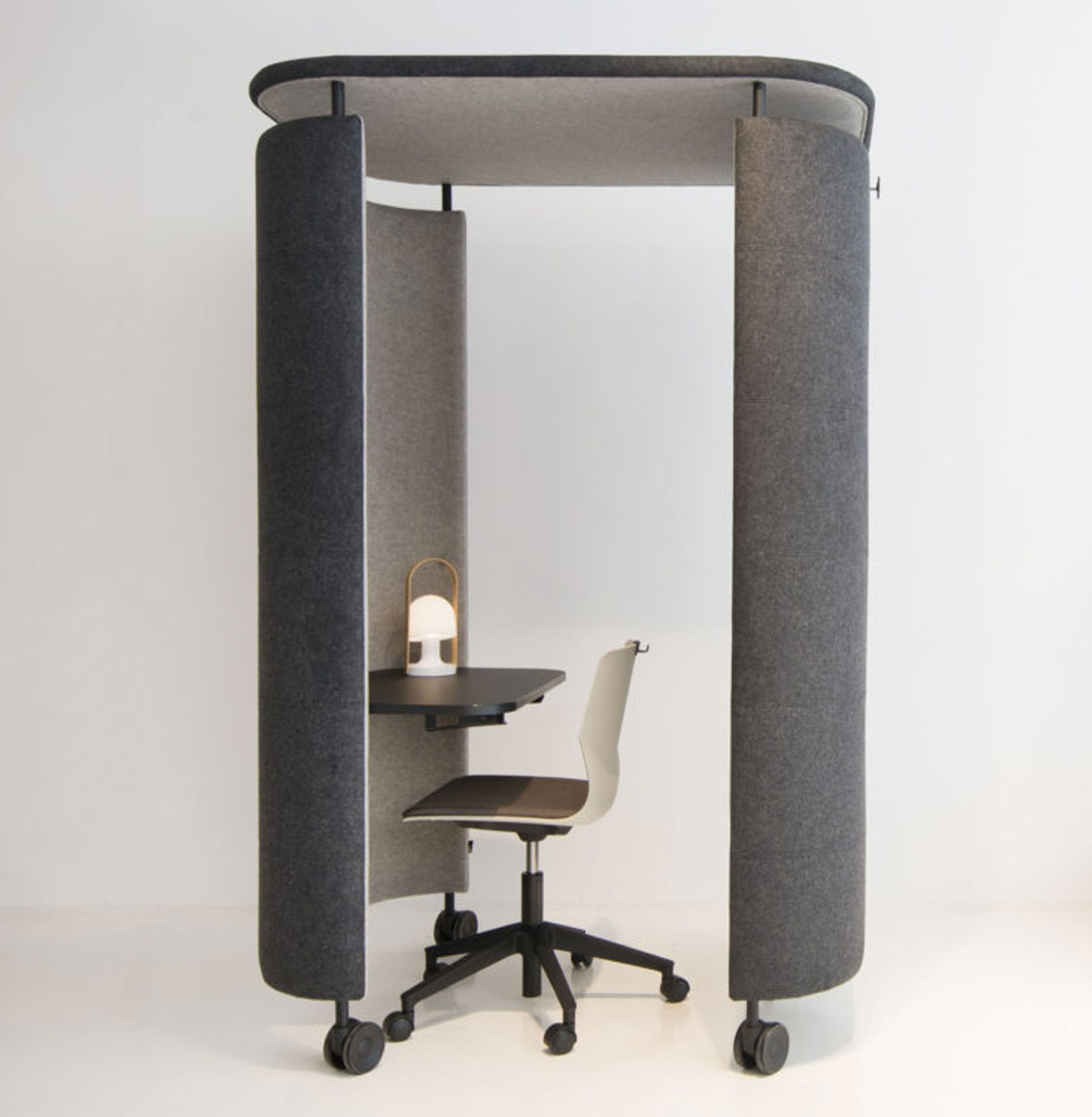
Open Plan Environments
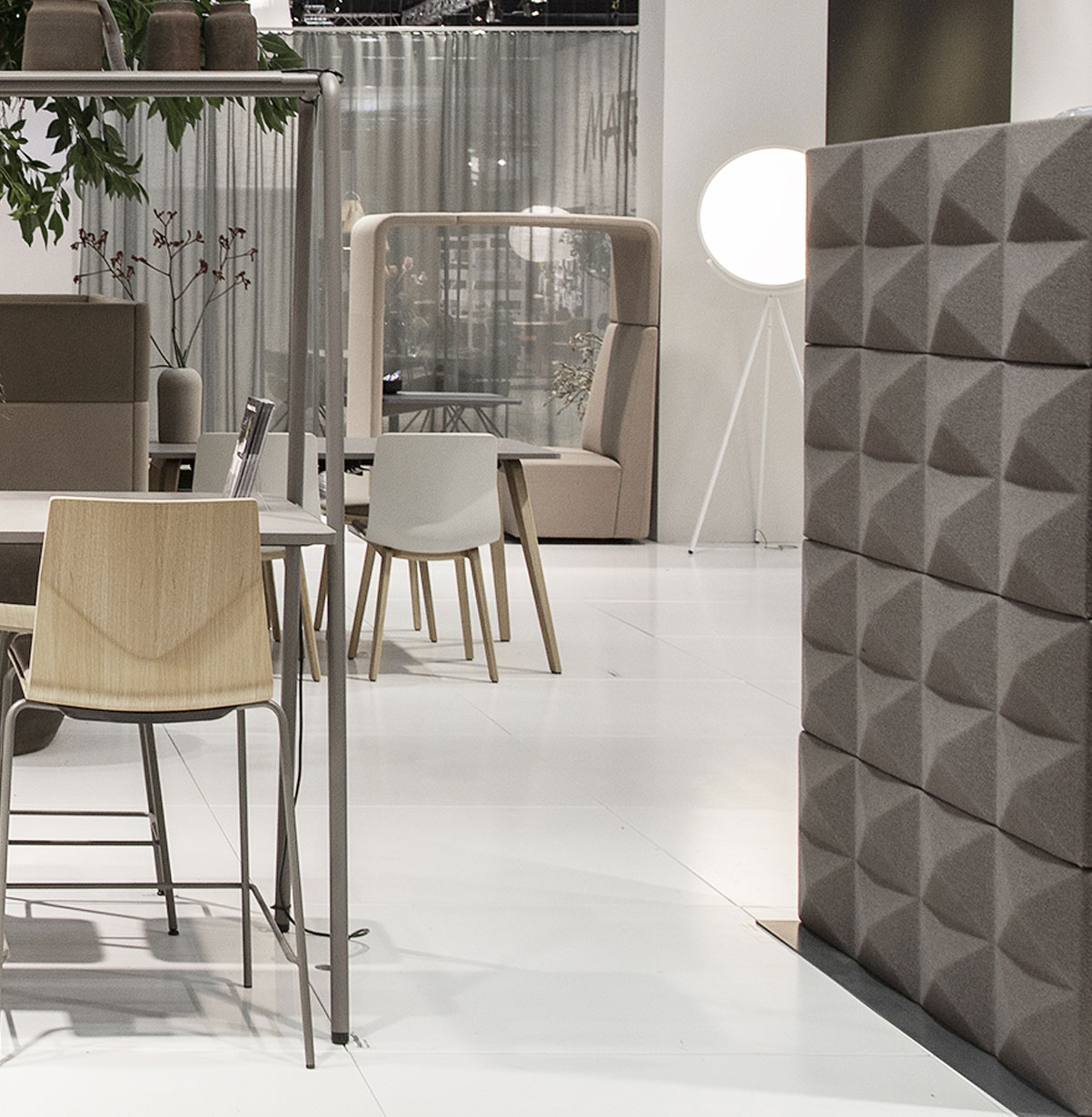
When the shift to open plan office environments started, very few would have envisaged the outcome. That is, a massive increase in email usage (70% according to numerous studies), less face-to-face interactions, and more disgruntled employees as a consequence of their new work habitat. This wasn’t meant to happen!
The flipside of this is that an open plan office environment saves significant amounts in true real estate costs not to mention utility costs such as heating, cooling, and lighting. All of which have obvious environmental impacts. Its fair to say conventional offices made up of cubicles, private offices and numerous meeting rooms are unlikely to return. It’s then a matter for how an organisation can adapt and re-purpose these open spaces to provide opportunities for focused work, team work, learning & social spaces to respond to the needs of the individual, teams, clients, and the organisations as a whole.
Focusing purely on Activity Based Working (ABW) may not be the recipe for all organisations, or more specifically, all individuals and teams within an organisation. Flexibility remains key, ensuring so far as possible that there are work settings of multiple styles which focus on results, that is, providing freedom for employees and students alike to work and learn in a manner that suits them best, so long as it is results driven.
Many of us have either been working within or working on open plan environments, and it is fair to say the concept is still evolving. Whilst we continue to have creative thinkers pushing the boundaries of best practice workplaces and clients looking for way to become both more attractive and efficient in their operations, we will continue on this journey of questioning and re-purposing the open plan workplace.